What Are Implant-Supported Bridges?
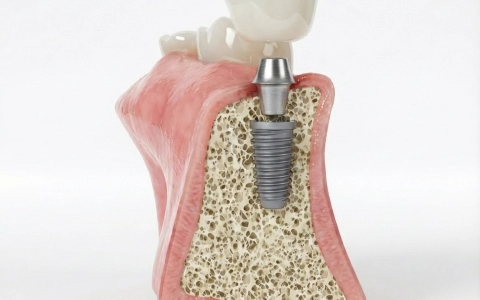
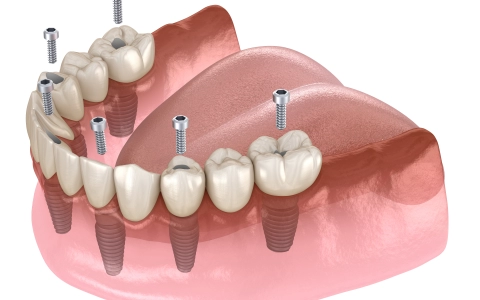
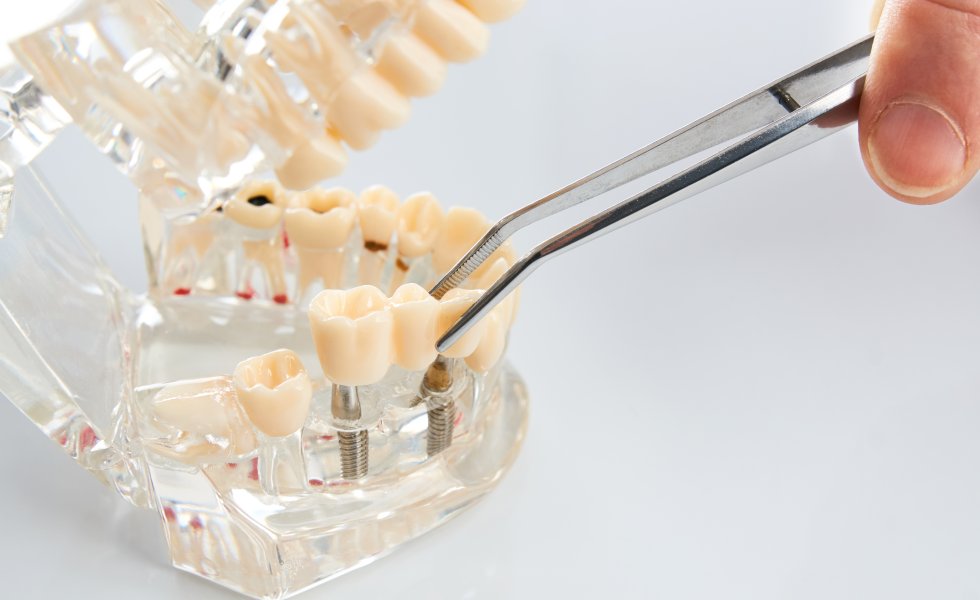
When multiple missing teeth are next to each other, an implant-supported bridge (fixed implant bridge) offers an economical and long-lasting solution compared to individual implants and crowns. In this article, I explain in simple terms what the treatment involves, who it is suitable for, the process steps, materials used, the advantage-disadvantage balance, factors affecting cost, potential risks, and care recommendations. The goal is to provide a clear, patient-friendly framework to help you make a decision, without overwhelming you with overly scientific details. An implant-supported bridge is a fixed dental prosthesis, attached to dental implants placed at both ends of the gap (and in between if necessary), that does not come out and feels close to natural teeth. Its difference from traditional bridges is that it does not require shaving down adjacent natural teeth. The implants anchor into the jawbone like an "artificial root" and bear the load of the bridge; this both increases chewing power and contributes to the preservation of bone volume in the long term.
Implant-Supported Bridge Who Is It Suitable For?
-
Individuals with 2–5 missing teeth side by side
-
Patients with healthy adjacent teeth who do not want them shaved down
-
Those who cannot adapt to removable (take-out) dentures or have high aesthetic and comfort expectations
-
Free-end spaces (spaces at the back with no natural tooth support)
-
Cases where completing the entire gap with individual implants is not suitable due to cost or surgical requirements
Note: In patients with poor oral hygiene, uncontrolled systemic diseases, heavy smokers, or insufficient jawbone volume, preparatory treatments (cleaning, grafting, smoking reduction, etc.) may be required first.
Implant-Supported Bridge Advantages
-
Protects natural teeth: Adjacent teeth are not reduced, and the pulp is not approached.
-
Fixed and comfortable: Provides stability in chewing, speaking, and smiling.
-
Bone preservation: Bone resorption in the extraction site slows down because the implants bear the load.
-
Longevity potential: Can be used safely for years with correct planning and care.
-
Modular repair: In screw-retained options, removal for maintenance and repair is easy.
-
Cost-benefit balance: For multiple missing teeth, constructing a bridge with fewer implants instead of one implant per tooth can reduce the total cost and number of sessions.
Implant-Supported Bridge Disadvantages or Limitations
-
Requires surgery: Implant placement procedure is mandatory.
-
Duration: A waiting period for bone fusion (osseointegration) may be needed.
-
Hygiene discipline: Interdental brushes, superfloss, etc., are necessary for cleaning under the bridge.
-
Bruxism/heavy forces: Screw loosening or porcelain fractures can occur if precautions like a night guard are not taken.
Implant-Supported Bridge Treatment Process (Step by Step)
-
Examination and imaging: Bone volume, sinus, and nerve positions are evaluated with a panoramic X-ray and, if necessary, 3D tomography (CBCT).
-
Digital planning: An intraoral scan records the teeth and bite (occlusion). Digital smile design and a temporary mock-up are done if needed.
-
Implant surgery: Implant(s) are placed under local anesthesia. Grafting or sinus elevation, if required, is performed in the same session or planned separately.
-
Healing period: Average 6–10 weeks (longer if grafting is done). Aesthetic and function can be supported with a temporary tooth/bridge during this process.
-
Impression and try-in: After the implant heals, an impression is taken or a scan is performed. Fit, contact, and aesthetics are checked with a framework and tooth try-in.
-
Delivery: The bridge is fixed in the mouth (screwed or cemented). Screw access holes are sealed with aesthetic material, and care instructions are provided.
-
Check-ups: A short check-up in the first week, followed by regular check-ups every 6 months to monitor screw torque, tissue health, and plaque accumulation.
Implant-Supported Bridge Materials Used
-
Implant: Usually titanium or titanium alloy; biocompatible and durable.
-
Bridge superstructure:
-
Monolithic zirconia: High strength, a good option for the back region.
-
Zirconia framework + porcelain: Can be preferred for aesthetic front regions.
-
Metal framework (Co-Cr) + porcelain: Economical and reliable traditional option.
-
-
Connection type:
-
Screw-retained: Removability and ease of maintenance; the screw access hole must be managed well aesthetically.
-
Cement-retained: Aesthetic advantage; however, excess cement residue can harm tissue—dentist cleaning is critical.
-
Implant-Supported Bridge How Many Implants Are Needed?
A separate implant for each missing tooth is not mandatory. For example, a 3-unit gap can be supported by 2 implants. For longer spans, placing additional implants in between ensures safe biomechanics. The final number is determined by bone volume, biting force, the position of the gap, and aesthetic expectations.
Implant-Supported Bridge Implant-Supported Bridge vs. Traditional Bridge?
-
Tooth reduction: None in implant bridge; in traditional, adjacent teeth are reduced.
-
Longevity and repair: Implant bridges offer a higher chance of modular maintenance/repair.
-
Bone health: The implant load stimulates bone; in traditional bridges, bone loss in the extraction site may continue.
-
Duration and cost: Initially, implant surgery and a waiting period may be required; long-term, the protection of teeth and reduced need for revisions can increase overall benefit.
-
Hygiene: Cleaning under the bridge is essential in both methods; interdental cleaning equipment must be used regularly in implant cases.
Implant-Supported Bridge&
Features
- []
Comprehensive Dental Treatment
From routine checkups to advanced treatments, we offer a complete range of treatments to protect and beautify your health. Our personalized approach ensures that your special needs are carefully met.
All Treatments
- What Is A Dental Implant? Who Is It For And How Long Does It Take?
- Immedıate Implant Treatment In 1 Day
- All On Sıx Dental Implant Treatment
- What İs A Single Tooth İmplant?
- All-on-four Implant Treatment
- Implant Treatment Under General Anesthesıa
- Implant-supported Brıdge Treatment
- Why Do Dental Implants Faıl? Perı-ımplantıtıs Treatment
- Implant Placement Wıth Bone Graft
- Short Implants
- Guided Implant Surgery Treatment
- Sinus Lift Treatment
- Custom Subperıosteal Implant Treatment
- Implant Placement Wıth Ilıac Graft
- Zygomatic Implant Treatment